How Beaver Activity Causes Drainage and Flooding Problems
People seeking beaver removal aim to prevent drainage and flooding issues caused by beaver activity, with local service providers ready to handle the problem effectively.
Understanding how beaver activity causes drainage and flooding problems is essential for property owners dealing with water management issues. Beavers build dams and lodges that can obstruct natural water flow, leading to water backing up and pooling in areas where it shouldn’t. This can result in soggy lawns, flooded basements, or overwhelmed drainage systems, especially during heavy rain. Recognizing the signs of beaver interference early can help prevent more serious water damage and property concerns, making it practical for local property owners to explore solutions that address these disruptions.
For those experiencing persistent drainage issues or unexpected flooding, local contractors specializing in beaver removal can provide effective assistance. These professionals understand how beaver activity impacts water flow and can help restore proper drainage by safely removing beaver structures and implementing measures to prevent future problems. Exploring options with experienced service providers ensures that property owners can find practical, targeted solutions to manage beaver activity and protect their homes and land from water-related issues.
- homeowners experiencing blocked drainage or flooding due to beaver activity can rely on local contractors to remove beaver dams and repair affected infrastructure. - when beaver activity causes erosion or water backup around properties, local service providers can implement trapping and dam removal solutions. - property owners noticing increased water levels or flooding from beaver activity can work with local pros to assess and mitigate beaver-related drainage issues. - in cases where beaver activity leads to blocked culverts or drainage systems, local contractors can perform beaver exclusion and habitat modification. - those dealing with persistent flooding linked to beaver activity can seek assistance from local experts to safely remove beaver populations and restore proper drainage.
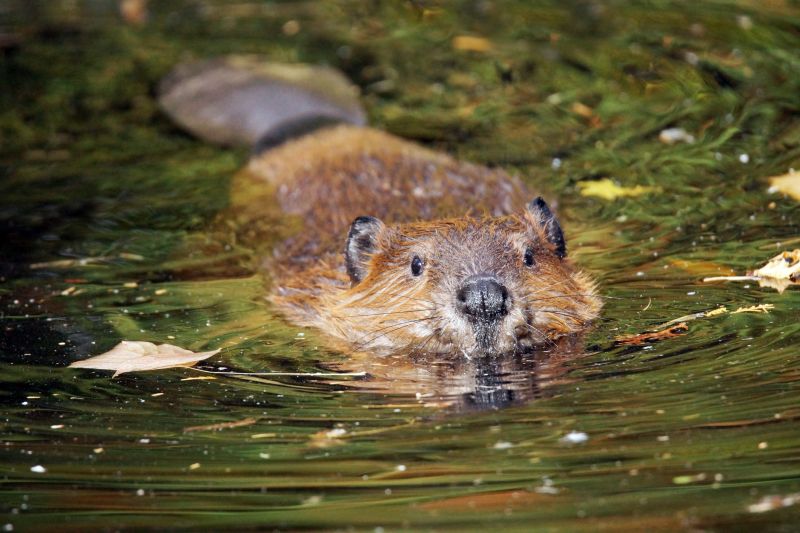
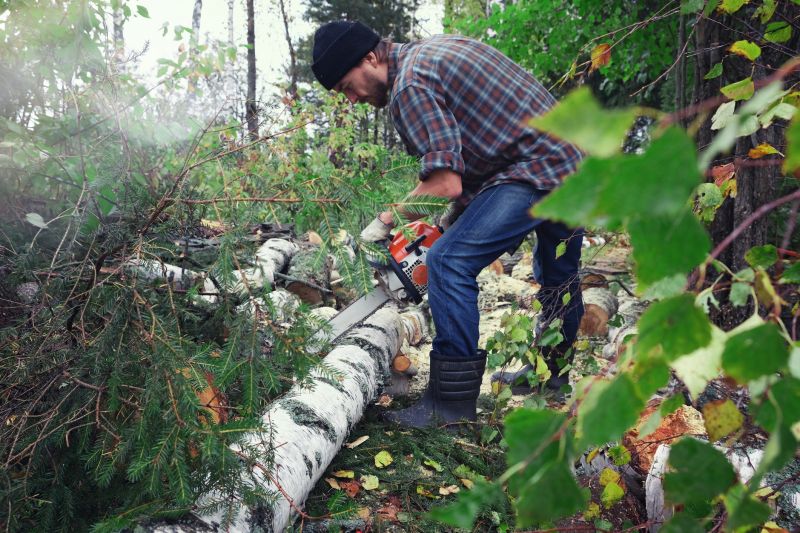
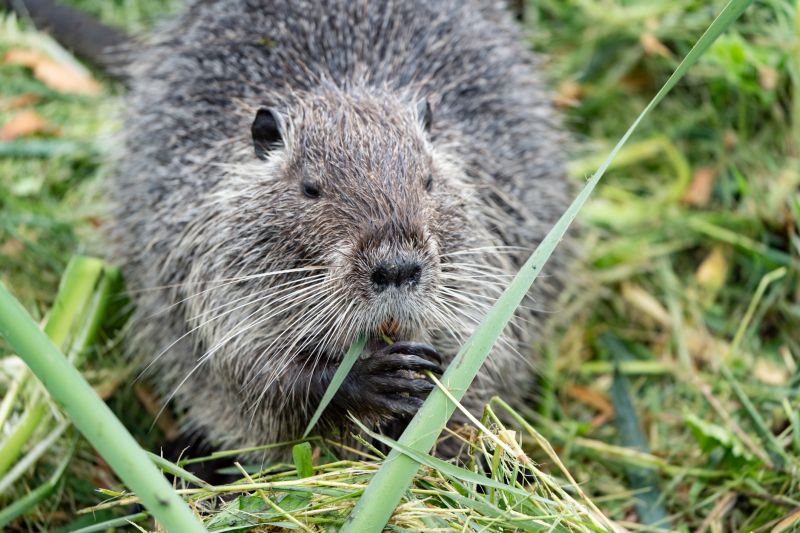
When searching for information on how beaver activity causes drainage and flooding problems, most people are interested in understanding how these animals influence water flow around their properties. Beavers build dams and lodges using sticks, mud, and other natural materials, which can significantly alter the natural water course. This activity often results in the creation of ponds or flooded areas that weren't there before. Homeowners, property managers, and landowners typically want to know if beaver presence is the cause of persistent wet spots, blocked drainage systems, or unexpected flooding during heavy rains.
These issues are often connected to specific projects or property plans involving drainage management, pond maintenance, or flood prevention. For example, property owners dealing with water pooling in yards, blocked culverts, or overflowing streams may suspect beaver activity as a contributing factor. In some cases, land development or landscaping projects can be complicated by beaver dams that obstruct natural water flow, requiring intervention to restore proper drainage. Understanding how beaver activity impacts water movement helps property owners decide whether removal or management of beaver populations is necessary to protect their land and infrastructure.
The types of properties most commonly affected by beaver activity include residential homes near lakes, ponds, or rivers, as well as commercial properties with water features or wetlands. Rural properties with open land and natural water sources are also frequently impacted. These animals tend to establish lodges and dams in areas where water access is plentiful, often leading to flooding in yards, gardens, or basements. Additionally, properties with existing drainage systems can experience blockages or backups caused by beaver-built dams, which can cause significant water damage if not addressed promptly.
Local service providers who specialize in beaver removal and water management play a key role in resolving these drainage and flooding issues. They can assess how beaver activity is affecting a specific property, then implement strategies to remove dams, relocate beavers if necessary, and restore proper water flow. These professionals help property owners develop plans to prevent future problems, whether through habitat modification or the installation of protective measures around critical drainage points. Connecting with experienced local contractors ensures that beaver-related water issues are handled effectively, helping to protect properties from ongoing damage caused by beaver activity.
Stream and pond restoration projects - these projects involve managing water flow and drainage, similar to addressing beaver activity that disrupts natural water systems.
Wetland management services - professionals work to control water levels and prevent flooding, paralleling efforts to mitigate damage caused by beaver dams and activity.
Drainage system installation and repair - installing or fixing drainage infrastructure requires planning and skills relevant to managing beaver-induced blockages and flooding issues.
Flood prevention and mitigation projects - these initiatives focus on minimizing flood risks, aligning with services that handle beaver-related drainage problems.
Stormwater management solutions - designing systems to control runoff and water flow relates closely to addressing beaver activity affecting drainage patterns.
Natural waterway alteration services - modifying or restoring waterways involves planning and tools similar to those used in controlling beaver activity that causes flooding.

When comparing service providers for beaver removal related to drainage and flooding issues, it is important to consider their experience with similar projects. Homeowners should look for local contractors who have a proven track record of addressing beaver activity and its impact on property drainage. An experienced professional will be familiar with the common signs of beaver presence and understand effective strategies for removal and habitat management, helping to ensure the solution is both effective and appropriate for the specific situation.
Clear written expectations are essential when evaluating potential service providers. Homeowners should seek detailed descriptions of the scope of work, including methods for beaver removal, property protection measures, and any follow-up recommendations. Having this information in writing helps prevent misunderstandings and ensures that the homeowner and the contractor are aligned on the goals and procedures involved in resolving drainage and flooding problems caused by beaver activity.
Reputable references and strong communication are key factors to consider when selecting a local contractor. Pros with positive references from previous clients can provide insight into their professionalism, reliability, and the quality of their work. Additionally, service providers who communicate clearly and promptly can help homeowners feel confident about the process and address any questions or concerns throughout the project. These qualities contribute to a smoother experience when managing beaver-related drainage and flooding issues.
Property owners often search for how beaver activity causes drainage and flooding problems when they are planning practical projects around their homes and businesses. Local pros provide Beaver Removal services for everyday jobs and straightforward project options.
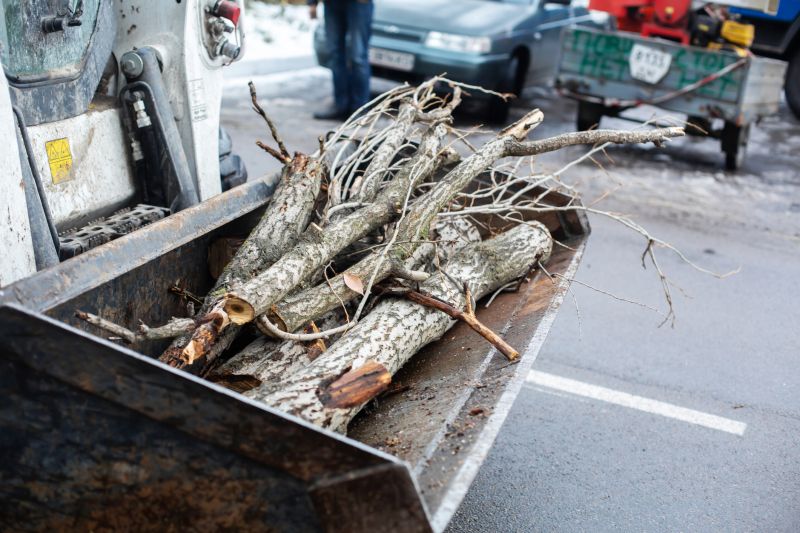
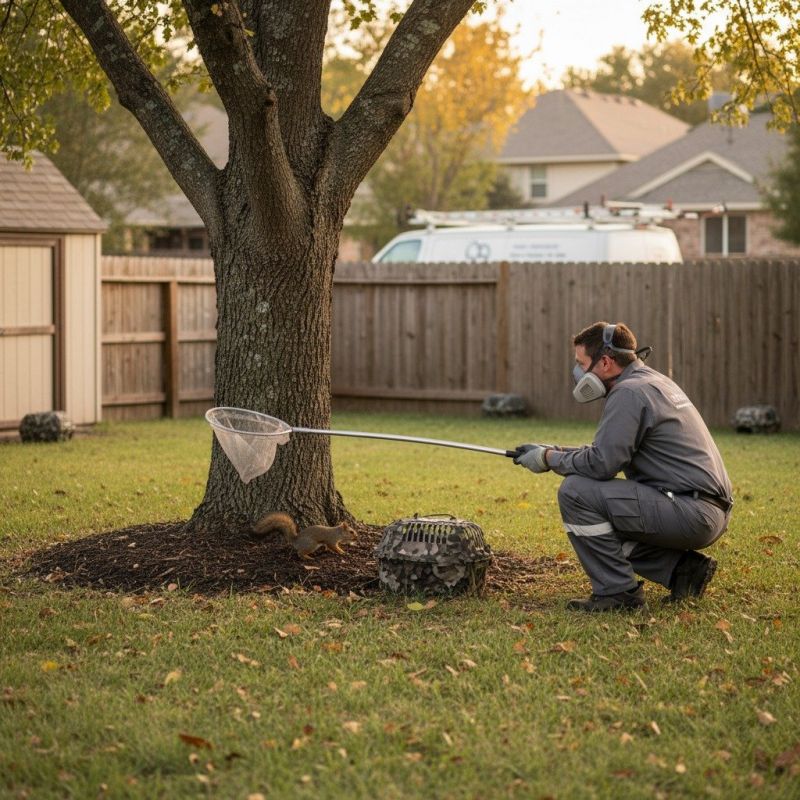
Beaver activity can significantly impact drainage systems around residential and commercial properties. When beavers build dams across streams, ponds, or drainage channels, they can obstruct water flow, leading to localized flooding or standing water that affects lawns, gardens, and foundations. Property owners who notice unusual water accumulation, soggy areas, or persistent flooding after heavy rains might search for information on how beaver activity causes drainage and flooding problems, prompting them to consider professional beaver removal services to address these issues effectively.
Local contractors experienced in beaver removal are often sought after by property owners facing ongoing water management challenges caused by beaver dams. These service providers can evaluate the situation, safely remove beaver structures, and implement measures to prevent future blockages. Choosing the right local pros can help restore proper drainage, reduce flooding risks, and protect property from water damage, making their expertise a practical solution for those dealing with the effects of beaver activity on their land.
How does beaver activity lead to drainage problems? Beavers build dams that can block natural water flow, causing water to back up and create drainage issues in surrounding areas.
In what way can beaver activity cause flooding? When beavers construct dams across streams or culverts, they can obstruct water movement, leading to localized flooding in yards, roads, or other properties.
Why might beaver activity affect existing drainage systems? Beavers' dam-building can interfere with engineered drainage infrastructure by redirecting or impeding water flow, which may result in water pooling or overflow.
How can local contractors help address flooding caused by beaver activity? Experienced service providers can remove or modify beaver dams and implement solutions to restore proper drainage and prevent future flooding issues.
What signs indicate beaver activity is causing drainage or flooding problems? Indicators include the presence of dam structures, beaver lodges, gnawed trees, and areas of standing water where water flow should normally be clear.
Identify beaver activity signs - property owners can learn to recognize signs like dam construction or tree damage and share this information with local contractors to address drainage issues early.
Assess drainage system blockages - understanding how beaver activity causes drainage and flooding problems helps property owners evaluate existing drainage and seek professional removal services for blockages.
Implement preventative measures - property owners can work with local contractors to install barriers or modify landscape features that discourage beaver presence and protect drainage systems.
Plan for habitat management - considering how beaver activity impacts drainage allows property owners to develop long-term plans with service providers to manage beaver populations effectively.
If you are thinking about how beaver activity causes drainage and flooding problems for a property, this guide is meant to help you understand this topic, the typical project types, and how different options might fit your plans.
When you are ready, you can use the quote form on this page to share a few details about your project. From there, local pros can review the basics and follow up with options that match what you have in mind.