Why Beavers Target Culverts and Drainage Channels Near Homes
People searching for beaver removal often want to prevent beavers from damaging culverts and drainage channels near homes, and local service providers can help with effective removal and prevention solutions.
Many property owners in the area notice beavers frequently targeting culverts and drainage channels near their homes, which can lead to significant drainage issues and property damage if not addressed. Understanding why beavers are drawn to these structures is key for those seeking effective solutions. Beavers naturally seek out water sources and often see culverts and channels as ideal spots for building lodges or dams, especially when these structures provide easy access to food and shelter. Recognizing these behaviors can help homeowners identify early signs of beaver activity and explore practical removal options with local contractors experienced in wildlife management and drainage protection.
Addressing beaver activity around culverts and drainage channels is essential to maintaining proper water flow and preventing costly damage. Local service providers who specialize in beaver removal and habitat management can assess the situation and implement strategies to deter beavers from targeting these areas. By working with experienced contractors, property owners can find solutions that protect their drainage systems while minimizing disruptions. Keeping an eye on why beavers target culverts and drainage channels near homes helps ensure that appropriate, effective measures are taken to safeguard property and maintain proper land management.
- Beaver removal services - when beavers are causing blockages by damming culverts and drainage channels near homes, local contractors can assess the situation and implement effective removal strategies.
- Culvert and drainage channel repair - if beaver activity has damaged or obstructed drainage systems, local experts can restore proper flow and prevent future issues.
- Beaver dam removal - in cases where beaver dams threaten property drainage, local service providers can safely dismantle these structures to reduce flooding risks.
- Exclusion and prevention services - for ongoing protection, local pros can install barriers or devices to deter beavers from targeting culverts and drainage channels near residential areas.
- Habitat modification - when beavers are attracted to areas close to homes, local contractors can advise on modifications to reduce their appeal and minimize conflict.
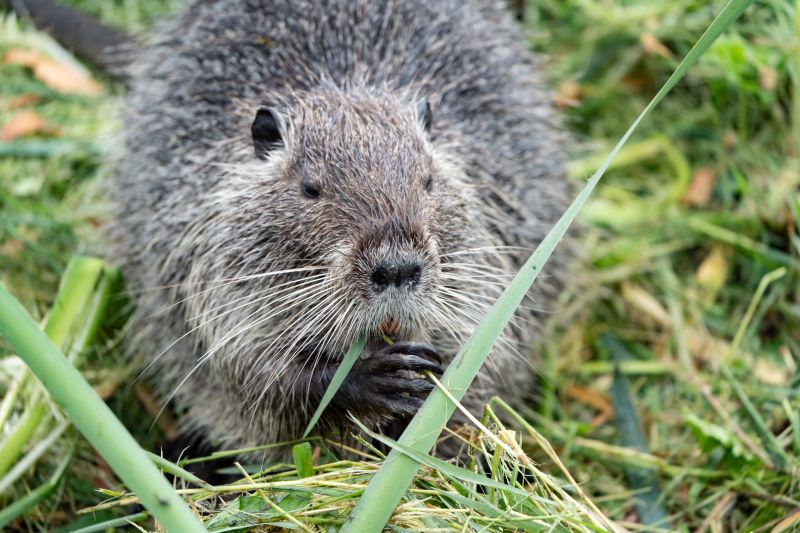
Understanding why beavers target culverts and drainage channels near homes is a common concern for property owners experiencing unexpected water issues or signs of beaver activity. When people search this topic, they often want to learn about the reasons behind beavers' interest in these structures, especially when they notice flooding, dam building, or damage around their property. This information helps homeowners grasp the connection between beaver behavior and the potential for clogged drainage systems or water backups that can threaten property foundations or landscape features. Recognizing these patterns is essential for planning effective removal or management strategies, which often involve local contractors specializing in beaver control and habitat modification.
The problems associated with beavers targeting culverts and drainage channels typically relate to water flow disruptions and property damage. Beavers are known to build dams and lodge themselves in areas where they can access water and food sources, often choosing culverts and drainage pipes as strategic points. These structures provide easy access to water and can become ideal sites for dam construction, leading to blocked water passage and localized flooding. Homeowners dealing with these issues may be considering plans to remove beavers, repair or replace damaged drainage infrastructure, or install barriers to prevent future activity. Local service providers experienced in beaver removal and habitat management play a key role in addressing these concerns safely and effectively.
Certain types of properties tend to be more affected by beaver activity near drainage systems. These often include homes situated near natural water sources such as ponds, streams, or wetlands, where beavers naturally thrive. Properties with existing drainage infrastructure-such as culverts, stormwater pipes, or retention channels-are also more vulnerable to beaver interference. Rural properties, farms, and suburban homes with nearby water features are common sites where beavers may target culverts and drainage channels. Recognizing the property types most affected helps homeowners understand why their land might be attractive to beavers and highlights the importance of working with local contractors who specialize in beaver exclusion and habitat modification to protect property and maintain proper water flow.
For homeowners facing issues with beavers targeting culverts and drainage channels, understanding the behavior of these animals is crucial. Beavers seek out water access and build dams to create safe, stable habitats, which often leads them to structures like culverts that provide easy entry points. These animals are highly motivated by the availability of water and food, making drainage systems near homes attractive sites for dam construction. Local contractors experienced in beaver removal and habitat management are equipped to assess the situation, recommend suitable exclusion methods, and implement solutions that help restore proper water flow while minimizing the chances of future activity. Connecting with these service providers ensures that property owners can effectively address beaver-related problems and protect their land from water damage.
Culvert Repair and Installation - professionals who specialize in fixing and installing culverts can address issues caused by beaver activity and prevent future blockages near homes.
Drainage System Maintenance - local contractors experienced in drainage maintenance can identify vulnerabilities that attract beavers and implement protective measures.
Wildlife Exclusion Projects - experts in wildlife exclusion use similar skills to prevent beavers from accessing drainage channels and culverts near residential areas.
Flood Prevention Services - service providers focusing on flood prevention can help mitigate water backup issues caused by beaver dam construction in drainage systems.
Water Flow Management - specialists in water flow management can design and modify drainage channels to reduce beaver attraction and improve property protection.
Habitat Modification Services - local pros experienced in habitat modification can implement strategies to discourage beavers from targeting culverts and nearby waterways.
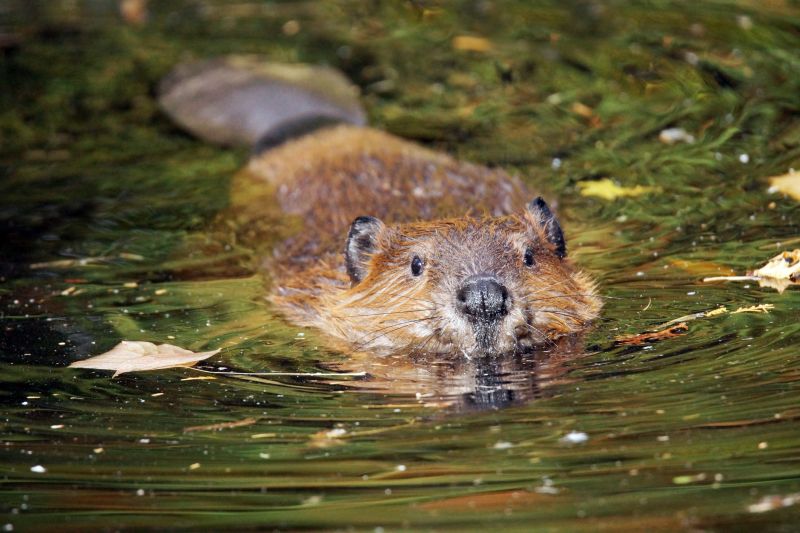
When comparing service providers for beaver removal related to why beavers target culverts and drainage channels near homes, it is important to evaluate their experience with similar projects. Homeowners should seek out local contractors who have handled beaver-related issues in residential settings, particularly those involving drainage systems and culvert modifications. An experienced professional will understand the behaviors of beavers and the common challenges associated with their activity near homes, which can lead to more effective and efficient solutions.
Clear written expectations are essential when choosing a beaver removal service. Homeowners should look for providers who can offer detailed explanations of their proposed methods, the scope of work, and any potential impacts on existing drainage infrastructure. Having a transparent plan helps ensure that both parties are aligned on the process and outcomes, reducing misunderstandings and fostering trust. Service providers who communicate clearly and provide comprehensive information demonstrate professionalism and a commitment to quality work.
Reputable references and good communication are key indicators of a dependable local contractor. Homeowners are encouraged to ask for references or reviews from previous clients who had similar beaver-related issues. This feedback can provide insights into the contractor’s ability to handle complex situations and deliver results. Additionally, responsive and clear communication throughout the process helps homeowners stay informed and comfortable with the work being performed. Choosing a service provider with a solid reputation and open lines of communication can contribute to a smoother, more satisfactory experience in addressing why beavers target culverts and drainage channels near homes.
Property owners often search for why beavers target culverts and drainage channels near homes when they are planning practical projects around their homes and businesses. Local pros provide Beaver Removal services for everyday jobs and straightforward project options.
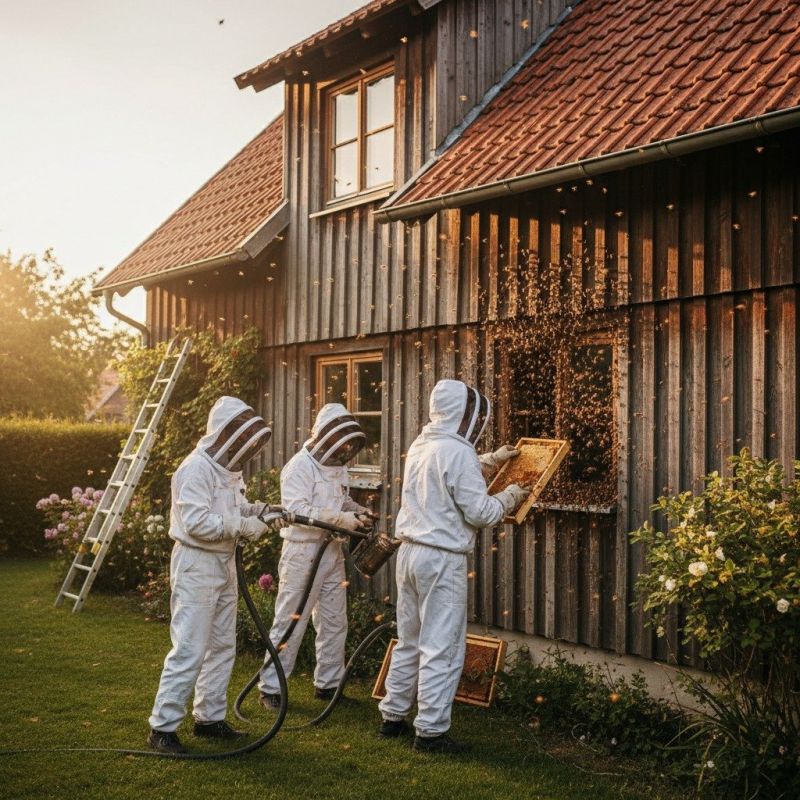
Beavers often target culverts and drainage channels near homes because these structures provide easy access to water sources and suitable building materials. When beavers find a culvert or drainage channel that offers a steady flow of water and nearby trees or shrubs, they may see it as an ideal location to construct their lodges and dams. Property owners might notice signs of beaver activity, such as gnawed trees or water level changes, which can lead to concerns about potential flooding or property damage. In such cases, local contractors experienced in beaver removal can help address these issues effectively, ensuring that drainage systems remain functional and protected from beaver interference.
Understanding why beavers target culverts and drainage channels near homes can help property owners recognize early signs of activity and seek appropriate assistance. Beavers are naturally drawn to these areas because they provide essential resources for their survival and habitat needs. When beaver activity becomes problematic, professional beaver removal services offered by local contractors can provide solutions to prevent damage, maintain proper drainage, and restore peace of mind for homeowners. Connecting with experienced service providers ensures that the situation is managed safely and efficiently.
Why do beavers target culverts and drainage channels near homes? Beavers see culverts and drainage channels as ideal locations for building dams and lodges because these structures provide water access and protection, which are essential for their habitat and survival.
How do beavers choosing culverts and drainage channels affect property drainage? Beavers constructing dams in these areas can cause water to back up, leading to flooding and water damage around homes, making it important to address their activity promptly.
What signs indicate beavers are targeting culverts and drainage channels near a property? Signs include the presence of dam-like structures, chew marks on trees or pipes, and increased water levels or flooding near drainage features.
How can local contractors help with beaver activity around culverts and drainage channels? Local service providers can install barriers, remove dams, and implement other control methods to prevent beavers from causing damage to drainage systems near homes.
Why is it important to address beaver activity in culverts and drainage channels early? Early intervention helps prevent severe flooding, property damage, and disruption of drainage systems, ensuring proper water flow around residential areas.
Understanding beaver behavior - property owners can learn why beavers target culverts and drainage channels near homes to better anticipate problem areas and plan effective removal strategies with local contractors.
Installing preventative barriers - property owners might consider working with local pros to install barriers that discourage beavers from accessing culverts and drainage channels close to their property.
Assessing culvert and drainage designs - evaluating existing drainage systems with help from local service providers can identify features that attract beavers and suggest modifications to reduce their interest.
Monitoring beaver activity - regular inspections by local pros can help property owners stay aware of beaver presence and take timely action to prevent damage to drainage infrastructure.
If you are thinking about why beavers target culverts and drainage channels near homes for a property, this guide is meant to help you understand this topic, the typical project types, and how different options might fit your plans.
When you are ready, you can use the quote form on this page to share a few details about your project. From there, local pros can review the basics and follow up with options that match what you have in mind.