Signs Wildlife Has Moved Into Your Attic, Walls, or Crawl Space
If signs wildlife has moved into your attic, walls, or crawl space, local service providers can identify the problem and safely remove the animals.
Discovering signs that wildlife has moved into your attic, walls, or crawl space can be an unsettling experience for property owners. Recognizing early indicators-such as strange noises, unusual odors, or visible droppings-helps homeowners understand when animals might be taking up residence in hidden parts of their property. Addressing these signs promptly can prevent further damage, reduce health risks, and restore peace of mind. Local service providers specializing in wildlife removal are equipped to assess these situations carefully and provide effective solutions, ensuring that unwanted visitors are safely and humanely removed.
For many property owners in the area, understanding how to identify wildlife activity is a practical step toward protecting their homes. Animals like raccoons, squirrels, or bats often seek shelter in less accessible spaces, and their presence can lead to structural damage or sanitation concerns. Connecting with experienced local contractors who offer wildlife removal services can help manage these issues efficiently. These professionals can handle the removal process responsibly, giving property owners confidence that the problem will be resolved while preventing future intrusions. Keep reading to learn more about the common signs and how local experts can assist.
- Attic wildlife intrusion - when signs wildlife has moved into your attic, local contractors can assess entry points and safely remove animals.
- Wall cavity activity - if you notice scratching or droppings inside walls, service providers can identify and eliminate the wildlife hiding there.
- Crawl space disturbances - signs of wildlife in crawl spaces prompt local pros to inspect and secure the area against further intrusion.
- Unusual noises at night - hearing sounds in your walls or attic often indicates wildlife presence, and specialists can handle removal and exclusion.
- Damage to insulation or wiring - damage caused by wildlife in hidden spaces leads service providers to perform targeted removal and repairs.
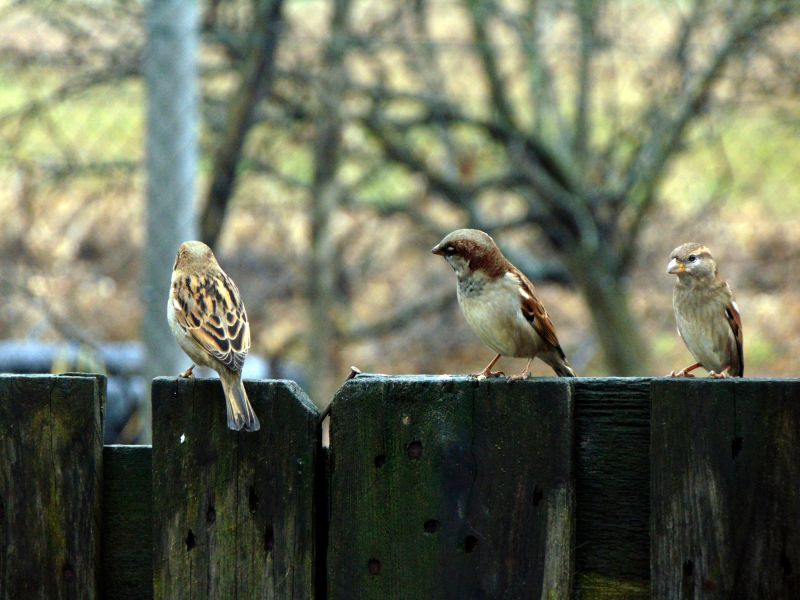
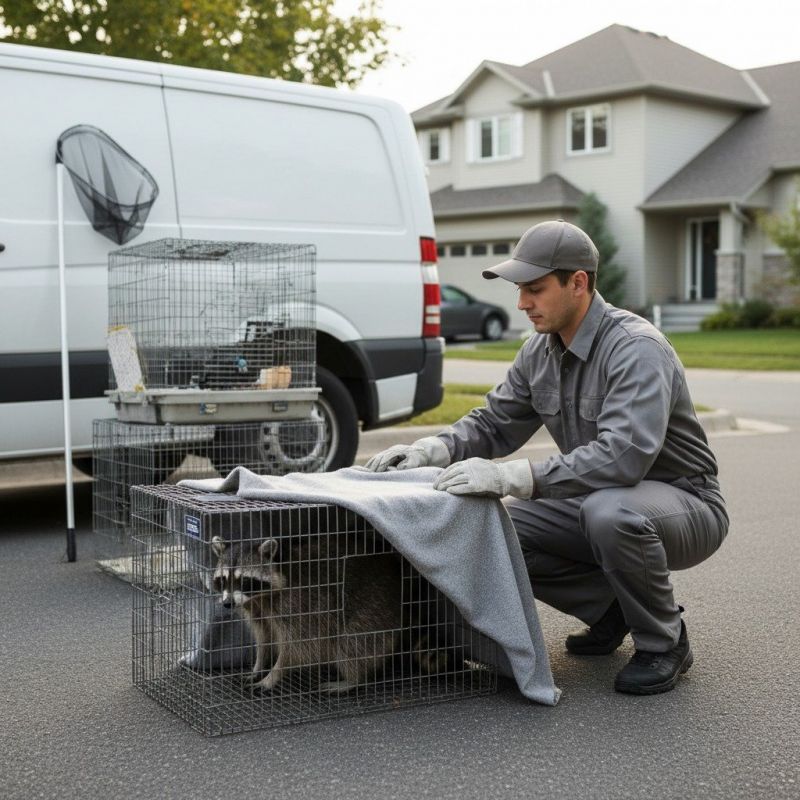
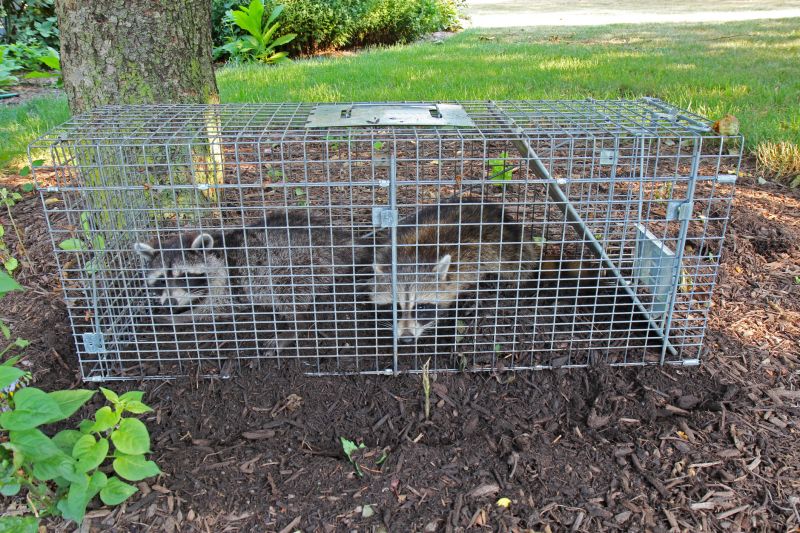
When homeowners search for signs wildlife has moved into their attic, walls, or crawl space, they are typically noticing unusual sounds, smells, or visual clues that suggest animals have taken up residence inside their property. Common indicators include scratching or scurrying noises, especially during nighttime hours, which often point to critters like raccoons, squirrels, bats, or rodents. Persistent odors-such as a strong, musty smell-may also signal the presence of animals or their droppings, which can accumulate in hidden areas. Recognizing these signs early is important because wildlife living inside the home can lead to property damage, unsanitary conditions, and potential health risks.
This topic relates closely to problems involving property damage, sanitation issues, and the need for humane removal and exclusion strategies. When wildlife moves into these hidden spaces, they can cause structural damage by gnawing on wood, wiring, and insulation. Their droppings and nesting materials can create unsanitary conditions and attract other pests, such as insects or additional rodents. Many homeowners consider wildlife removal as part of a broader plan to restore safety and prevent future invasions. In some cases, property owners may also need advice on sealing entry points or repairing damage caused by the animals, making the role of local service providers vital in both removal and prevention efforts.
Properties that typically encounter wildlife invasions include single-family homes, especially older houses with accessible attics or crawl spaces. Rural properties and farms are also common sites for wildlife intrusion due to their proximity to natural habitats. Commercial buildings, such as barns, warehouses, or storage facilities, can attract animals seeking shelter or food sources. The presence of trees close to the structure, open vents, or damaged soffits can create easy entry points for wildlife. Understanding the types of properties most affected helps homeowners and property managers recognize the importance of professional services that specialize in humane removal, exclusion, and ongoing prevention.
Identifying signs wildlife has moved into your attic, walls, or crawl space is a crucial step in addressing an invasion promptly. Local wildlife removal service providers are equipped to handle these situations safely and humanely, ensuring that animals are removed without harm and that entry points are sealed to prevent future problems. Whether it’s a raccoon nesting in the attic or squirrels in the wall cavities, these professionals can assess the property, recommend appropriate solutions, and help restore the space to its original condition. Connecting with experienced local contractors ensures that the problem is managed effectively, reducing the risk of property damage and health concerns associated with wildlife invasions.
Attic insulation replacement - professionals can assess and replace insulation damaged or soiled by wildlife, ensuring proper insulation performance and preventing future intrusions.
Structural repair and reinforcement - local contractors can repair entry points and reinforce vulnerable areas to prevent wildlife from re-entering walls, attics, or crawl spaces.
Pest proofing and exclusion services - experts can install barriers and seal entry points to keep wildlife out of hidden spaces in walls and attics.
Damage assessment and repair - specialists can evaluate and fix damage caused by wildlife activity, such as chewed wiring or compromised wall structures.
Odor removal and deodorization - service providers can eliminate persistent odors resulting from wildlife nesting or droppings in concealed spaces.
Decontamination and sanitation - local pros can safely remove droppings and nesting materials, reducing health risks associated with wildlife infestations.
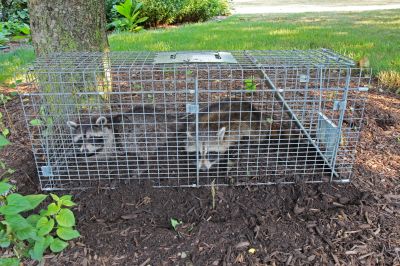
When comparing wildlife removal service providers, it is important to consider their experience with similar projects. Homeowners should inquire about how long a local contractor has been handling wildlife intrusion issues, particularly those involving attics, walls, or crawl spaces. An experienced provider will better understand the common signs wildlife has moved into these areas and will be more familiar with effective removal and exclusion techniques. This familiarity can lead to a smoother process and more reliable results, helping to ensure that the wildlife is safely and thoroughly removed.
Clear written expectations are essential when evaluating potential service providers. Homeowners should seek detailed descriptions of the scope of work, including how the wildlife will be removed, what measures will be taken to prevent future invasions, and any follow-up procedures. Having these expectations documented can help prevent misunderstandings and ensure that both parties are aligned on the goals of the project. Service providers who communicate openly and provide comprehensive information are typically more transparent and easier to work with, making it easier for homeowners to feel confident in their choice.
Reputable references and good communication are also key factors when selecting local contractors for wildlife removal. Homeowners can ask for references from previous clients who had similar issues, which can provide insight into the contractor’s reliability and quality of work. Additionally, responsive and clear communication throughout the process is a strong indicator of a professional service provider. This ensures that homeowners can ask questions, express concerns, and stay informed about the progress, ultimately leading to a more positive experience when addressing signs wildlife has moved into their attic, walls, or crawl space.
Property owners often search for signs wildlife has moved into your attic, walls, or crawl space when they are planning practical projects around their homes and businesses. Local pros provide Wildlife Removal services for everyday jobs and straightforward project options.
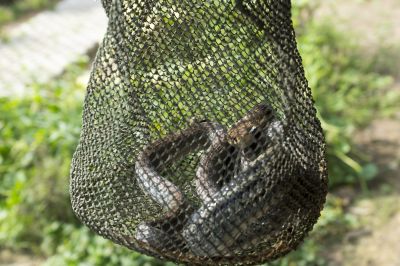
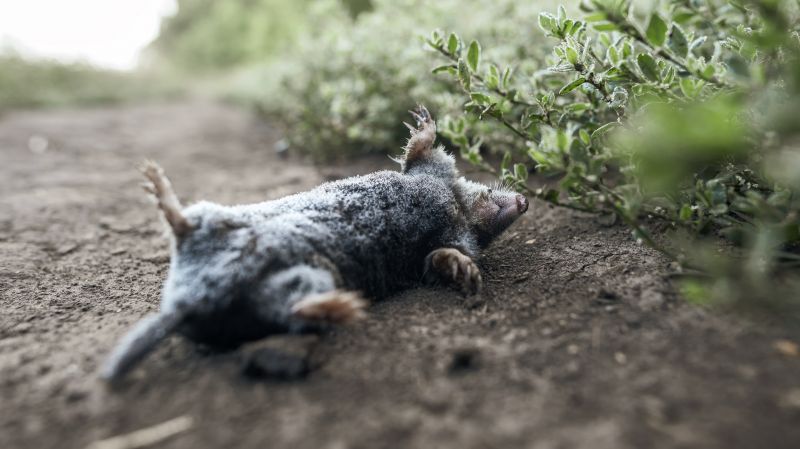
Homeowners in the area might notice certain signs that indicate wildlife has moved into their attic, walls, or crawl space. Common indicators include strange noises such as scratching, scurrying, or thumping sounds, especially during nighttime hours. Unusual odors or the presence of droppings and nesting materials can also serve as clues. Recognizing these signs early can help prevent damage to the property and avoid potential health risks associated with unwanted critters taking up residence.
When these signs are observed, many property owners turn to local service providers experienced in wildlife removal. These professionals can assess the situation, identify the type of wildlife involved, and safely remove animals from the space. Engaging with local contractors ensures that the job is handled efficiently and humanely, helping to restore the safety and integrity of the home while preventing future intrusions.
What are common signs that wildlife has moved into my attic, walls, or crawl space? Unusual noises such as scratching, scurrying, or squeaking, as well as the presence of droppings, chewed materials, or nesting debris, can indicate wildlife presence in these areas.
How can I tell if animals are active inside my walls or attic? Signs like persistent noises, strange odors, or visible damage to insulation and drywall suggest animals are active within these spaces.
Are there specific indicators that wildlife has entered my crawl space? Look for animal tracks, chewed vents or insulation, and the sounds of movement or gnawing to identify wildlife in your crawl space.
What should I do if I notice signs wildlife has moved into my home? It is recommended to contact local service providers who specialize in wildlife removal to safely and effectively handle the situation.
Can wildlife inside my home cause damage or health issues? Yes, animals can damage structures and pose health risks through droppings and parasites; professionals can assess and address these concerns properly.
Identify entry points - inspecting your property for small holes or gaps can help determine where wildlife may be entering attic, walls, or crawl space areas, allowing local contractors to address these openings.
Monitor signs of activity - listening for scratching sounds or noticing droppings can indicate wildlife presence, guiding professionals to the affected zones for removal and exclusion.
Check for damage - observing chewed wires, insulation, or wood damage can reveal signs wildlife has moved into your space, prompting targeted removal efforts by service providers.
Assess odor and debris - detecting unusual smells or nesting materials can help identify active wildlife areas, enabling local pros to plan effective removal and cleanup projects.
If you are thinking about signs wildlife has moved into your attic, walls, or crawl space for a property, this guide is meant to help you understand this topic, the typical project types, and how different options might fit your plans.
When you are ready, you can use the quote form on this page to share a few details about your project. From there, local pros can review the basics and follow up with options that match what you have in mind.